



Harvest Mites on Dogs: Everything You Need to Know
How to beat the harvest mites on dogs
Take 2 minutes to learn about harvest mites on dogs, and your best friend will be grateful all summer long!What are harvest mites?
From late August into October, these pesky pests can make our canine and feline friends feel far from 100%. So what’s happening when harvest mites attack, how can you help to prevent the problem and soothe the scratching if the worst happens? Here’s the Lintbells lowdown on how to avoid, spot and treat harvest mites on dogs, and help your pet feel more comfortable.
Harvest mites (Trombicula autumnalis) cause seasonal skin challenges for dogs during late summer and autumn. The first active stage in the life cycle of the harvest mite is the six-legged larva – and this is the tiny pest that causes big problems for our pets.
Harvest mite larvae are active during the day, especially when it’s dry and sunny. They congregate in large groups on small clods of earth, long grass, matted vegetation, and even on low bushes and plants. When harvest mites come into contact with any warm blooded animal, they’ll swarm on and congregate around your dog’s front legs (on their chest and in their ‘armpits’), on tummies and necks, and around the genitals.
What causes harvest mites to itch?
Unlike fleas and other parasites, harvest mite larvae don’t burrow into the skin or suck blood. Instead, they feed by thrusting small hooked fangs into the skin surface. Once attached, they inject powerful digestive enzymes which break down the skin cells. Once the cells disintegrate, the larva sucks up its liquid lunch. The mite will inject and suck at the same site for 2-3 days, until it is full – and has grown 3-4 times in size.
Did you know?
Itching is actually caused by your dog’s reaction to the harvest mite’s digestive enzymes, and irritation levels vary from dog to dog.
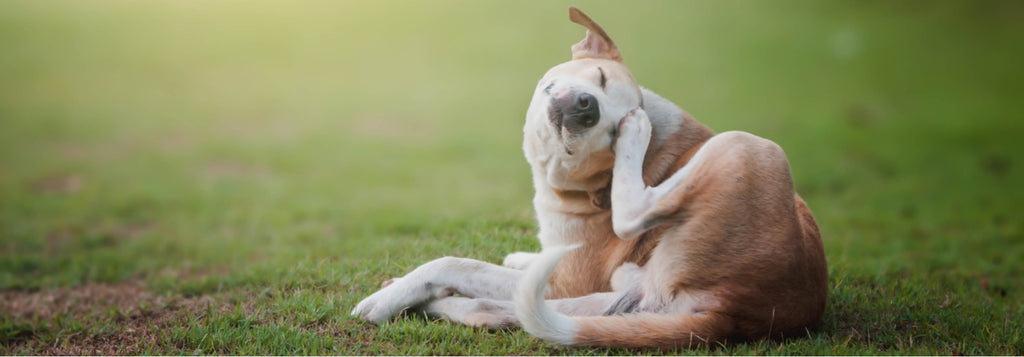
You may notice your dog scratching within 3 to 6 hours of exposure to harvest mites – but the worst news is that the itch can continue for several weeks afterwards.
As well as rubbing, biting and scratching, harvest mites can lead to scurf and hair loss in some dogs. If the skin is damaged due to lots of scratching and nibbling, affected areas can also become infected with bacteria.
What do harvest mites look like?
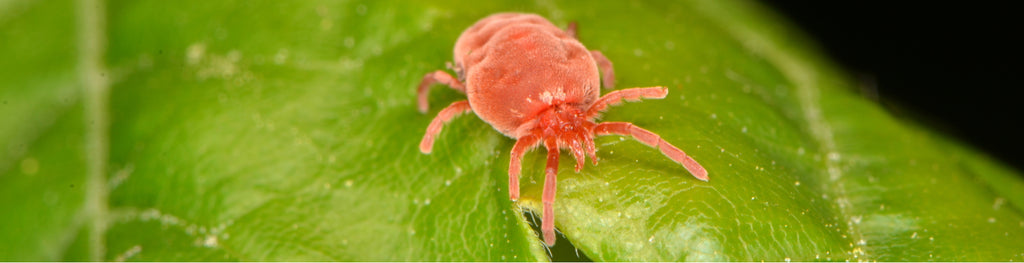
Keep your eyes peeled for tiny reddish or orange larvae. These nasty little biters are around 0.2mm long, and are found all over the UK.
Heavy infestations may be sharply localised – even to the extent of being abundant in one garden and absent from others in the same area. They’re equally at home in the countryside, in town gardens and in parks. In fact, there are local variations of the Trombiculidae family all over the world.
How to spot an infestation
It’s not easy to spot a harvest mite infestation, because the pesky pests are so small. If your spot your dog scratching, spread the hairs and look carefully at the skin – if there’s reddish or orange coloured ‘dust’ attached to the hairs or the skin, your pet might have harvest mites.

Preventing harvest mites
Because harvest mite larvae are only active during the day, you can reduce the risk of harvest mites by modifying your pet’s routine. Consider going for walkies early in the morning or after dusk. If possible, avoid long grasses and vegetation, and keep moving – the worst infestations tend to happen when pets (and people) are sitting or lying down in a sunny spot in the middle of the day!Help with Harvest Mites
Unfortunately, there’s no licensed treatment for harvest mites available in the UK. However, some flea treatments are said to be effective – it’s best to get advice on which is most suitable for your dog from your vet. If left untreated, the larvae will feed for a few days then drop off. Unfortunately though, the itchy symptoms can last for several weeks or even months, so the sooner you start helping your pet to cope with the problem, the better.
Safe, natural ways to relieve the itch
Lintbells understands just how itchy and infuriating harvest mites can be for dogs, and thankfully we have a couple of products that can really help.
Help dogs heal from within
By adding a skin-supporting supplement to your dog's food, you help them cope with the itchy symptoms left behind after the harvest mite attack. The sooner you start adding this to your dog's food, the sooner they will start to feel the benefits. For harvest mites on dogs try YuDERM Itchy Dog
How does YuDERM soothe itchy pets?
The clever combination of Omega 3 EPA from fresh Salmon oil and Omega 6 GLA help to calm the skin, relieving itching and scratching. Meanwhile, Omega 6 Linoleic Acid helps to support the skin’s natural moisture barrier, supporting the skin’s health. YuDERM Itchy Dog also includes lots of natural Vitamin E to support the skin’s defences.
Topical, antibacterial relief from harvest mite bites
Another great way to soothe itchy skin is to apply the affected area with YuCARE Skin Cream. The antibacterial silver ions in this gentle, non-sting formula help to kill off any bacteria introduced into the bite site – which can make itching worse. Simply apply to the affected area to clean and soothe.
Do you have any top tips to avoid harvest mites? Maybe a Lintbells product has helped to soothe your dog’s itches? We always love to hear about new ways to help your best friends feel their very best – so please do share ideas and feedback in the comments below.


